
10 Modern Sleeper Cars Worth Considering
A good sleeper combines useful performance with an ordinary-looking body. Starting with the Mazda3 2.5 Turbo for a compact daily driver, the Lincoln MKZ 3.0T AWD for a discreet sedan, or the Chevrolet SS if you want a rear-drive V8 with four doors. The options below range from small hatchbacks to a plug-in hybrid and an electric SUV.
Updated: October 7, 2026 // Top Lists

Some disguise their ability better than others. A Camry TRD’s spoiler and a Golf R’s exhausts give enthusiasts clues; a regular-looking Mazda3 sedan is less obvious. That is part of the choice, alongside space, engine character and the cost of keeping the car in good condition.
This US shortlist uses specific factory versions as examples. Horsepower is manufacturer-rated for the versions identified, with the relevant fuel conditions. The order groups useful choices rather than ranking them by acceleration or predicting future values.
Ten modern sleepers: the useful differences
| Car and example year | Rated power | Why consider it? | Ownership question |
|---|---|---|---|
| Chevrolet SS, 2017 | 415 hp | Rear-drive V8 sedan; available manual | Can you fund tires, brakes and specialist parts? |
| Toyota Camry TRD, 2020 | 301 hp | V6 performance in a familiar sedan | Would a less conspicuous V6 trim suit you better? |
| Rivian R1S Gen 1 Quad-Motor, 2023 | 835 hp | Strong electric performance in an SUV | Does charging and service access fit your routine? |
| Lincoln MKZ 3.0T AWD, 2017 | 400 hp on 93 octane | Discreet twin-turbo V6 sedan | Have you verified engine, drivetrain and maintenance? |
| Audi S6, 2017 | 450 hp | V8 performance with a restrained body | What is the recall and specialist-service history? |
| Genesis G70 3.3T, 2019 | 365 hp | Compact twin-turbo V6 sedan | Does its space and fitted equipment meet your needs? |
| Volvo S60 Recharge T8, 2023 | 455 hp combined | Plug-in hybrid performance in a sedan | Can you verify the hybrid system and charging? |
| Volkswagen Golf R, 2022 US model | 315 hp on premium | All-wheel-drive hatchback | Are gearbox and drivetrain services documented? |
| Mazda3 2.5 Turbo, 2021 | 250 hp on 93 octane; 227 on 87 | Compact sedan or hatchback with AWD | Is it the turbo version, and which fuel will you use? |
| Hyundai Sonata N Line, 2021 | 290 hp | Turbocharged performance in a roomy sedan | How does the dual-clutch gearbox behave? |
Manufacturer evidence is linked in each entry. Model years, trims and markets change the specification; do not use a power figure for a different version simply because it wears the same badge.
1. Chevrolet SS: a V8 sedan with a manual option
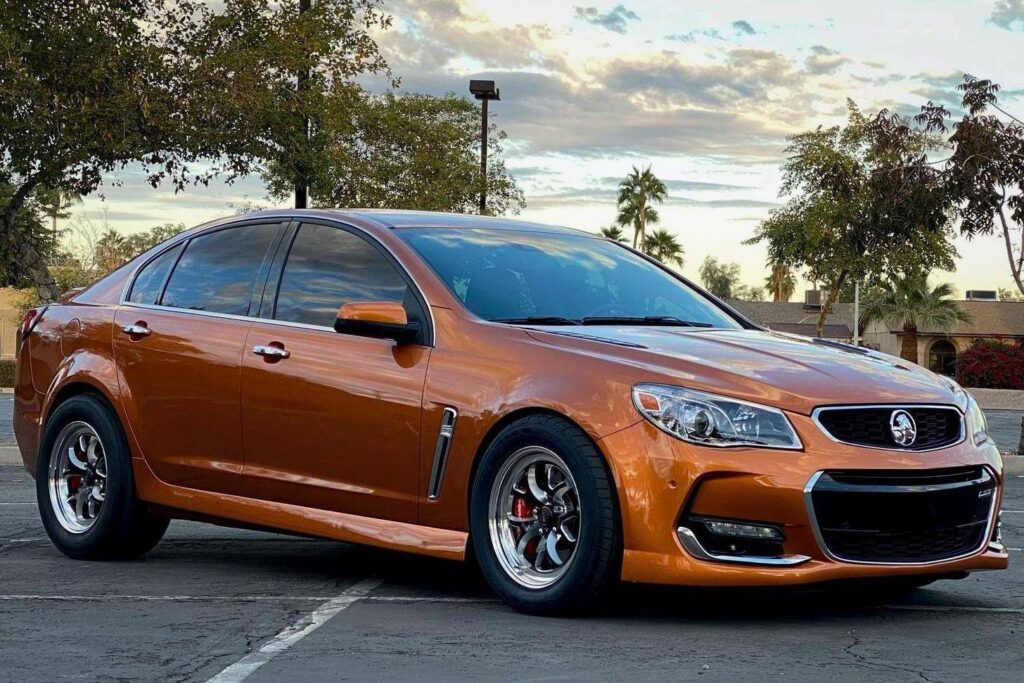
The Chevrolet SS puts a 6.2-liter V8 and rear-wheel drive into a conventional four-door body. Chevrolet’s 2017 brochure specifies 415 horsepower, a six-speed automatic or available six-speed manual, and Magnetic Selective Ride Control.
Why it belongs: the sedan body and restrained shape give it the core sleeper appeal. Its wheels, brakes and exhaust still offer clues, especially to someone who knows the model.
Before buying: inspect modification history, tires, brakes and adaptive-suspension operation. Ask for quotes for the actual parts it needs. Compare manuals and automatics separately; do not assume rarity guarantees appreciation or a cheap purchase.
2. Toyota Camry V6: the TRD is the visible option
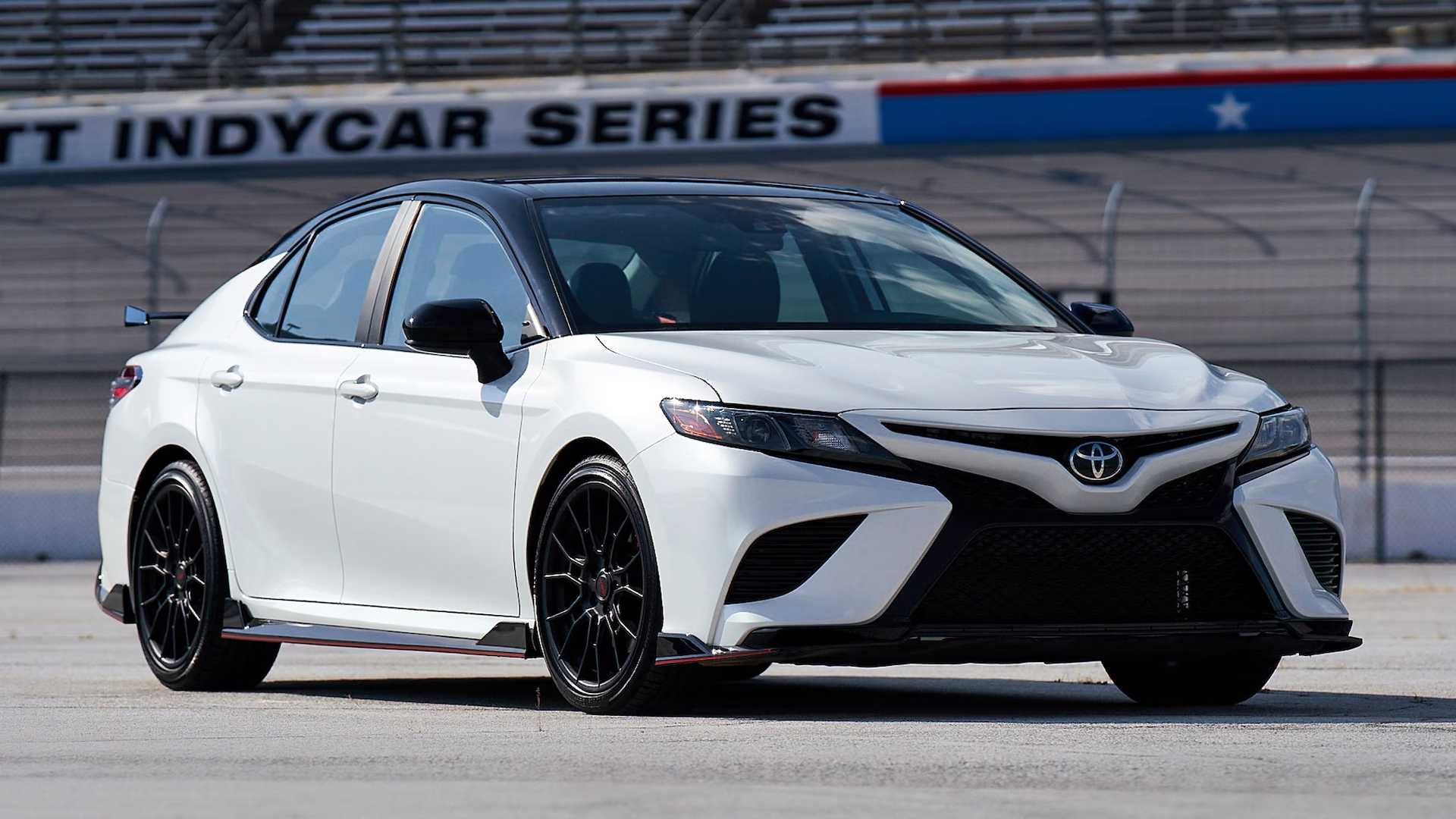
The 2020 Camry TRD uses a 301-horsepower 3.5-liter V6 and eight-speed automatic. Toyota also specifies chassis and exhaust changes, so the factory TRD is more than a badge package. See Toyota’s 2020 Camry details.
Why it belongs: a V6 Camry offers more performance than its everyday-sedan image suggests. The TRD’s spoiler and trim make it a more conspicuous example. Compare the XLE or XSE V6 if discretion is a higher priority.
Before buying: confirm the engine and factory trim from the build information. Inspect service history, tires, brakes and accident repairs as you would with any used car. The Camry name is not a reason to skip an inspection.
3. Rivian R1S Gen 1 Quad-Motor: the SUV exception
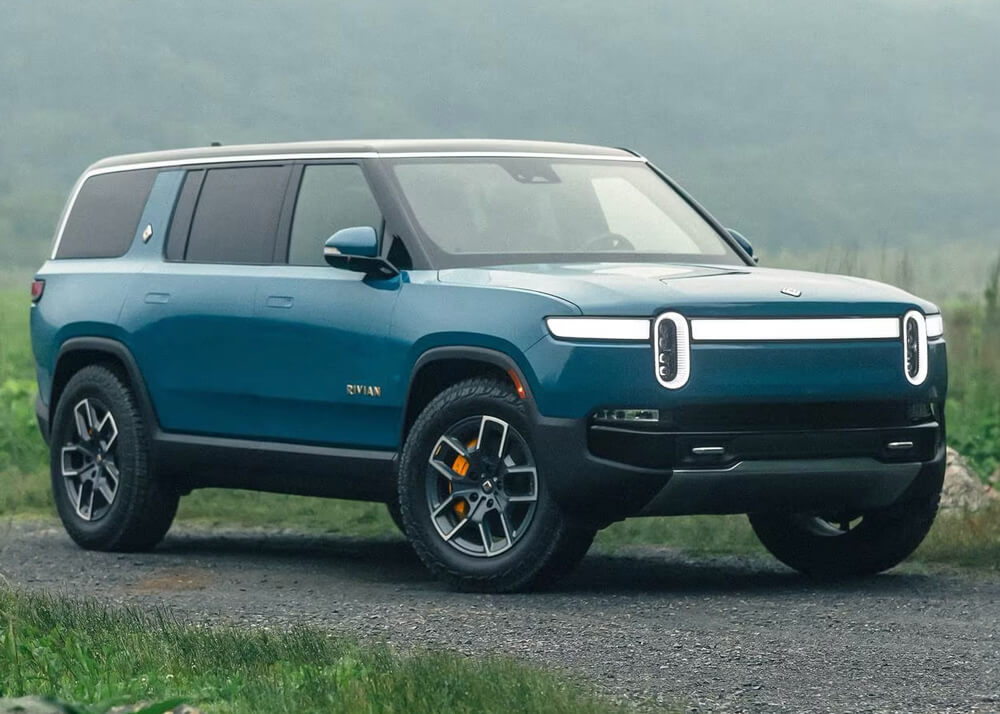
The first-generation Quad-Motor R1S combines an SUV body with an electric motor at each wheel. Rivian rated that drive system at 835 horsepower and 908 lb-ft of torque. Its original drive-system explanation distinguishes it from the Dual-Motor configurations.
Why it belongs: its family-SUV role creates a large gap between appearance and capability. It is an exception to a list dominated by sedans and hatchbacks, and its size makes it a different ownership choice.
Before buying: verify generation, motor configuration, battery and wheel specification. Review available service records, remaining coverage, charging operation and local service access. Plan how you will charge in ordinary use and on longer trips. The later Gen 2 Quad has different specifications; “Quad-Motor” alone is insufficient.
4. Lincoln MKZ 3.0T AWD: read the drivetrain details
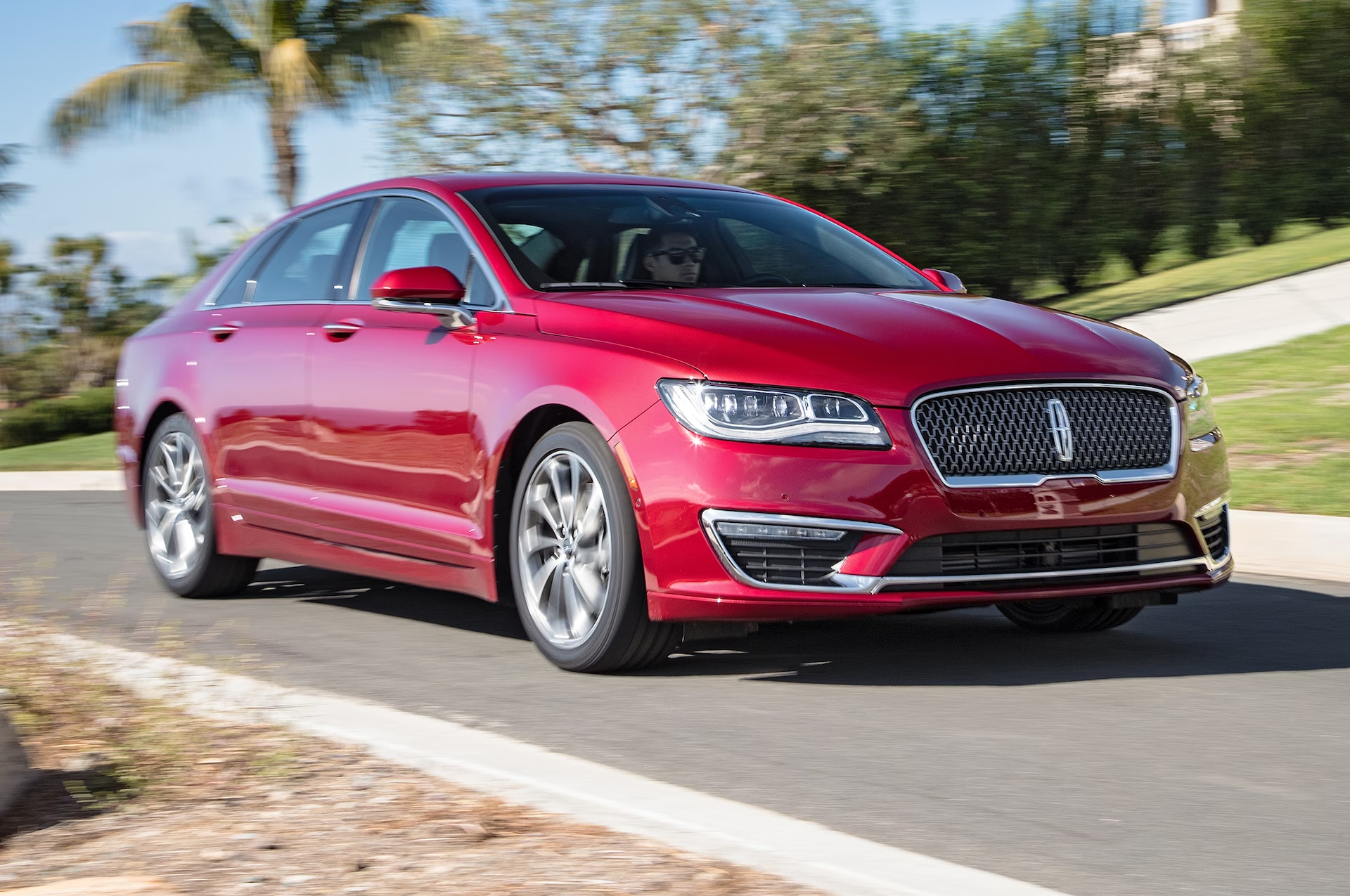
The MKZ’s understated sedan body is a good fit for the sleeper idea. But the engine and driven wheels matter: Lincoln rated the 2017 3.0-liter twin-turbo V6 at 400 horsepower with AWD and 350 with front-wheel drive, using 93-octane fuel. The distinction appears in Lincoln’s US technical specifications.
Why it belongs: a quiet-looking luxury sedan can hide substantial factory power. Compare the right 3.0T versions rather than using an average price for every MKZ engine.
Before buying: verify the engine and AWD equipment, scan for faults, inspect for leaks and review cooling-system and drivetrain maintenance. Have abnormal running or fluid loss diagnosed. Do not treat unsupported reports of a particular failure mileage as a rule for every car.
5. Audi S6 C7: budget for the car behind the badge
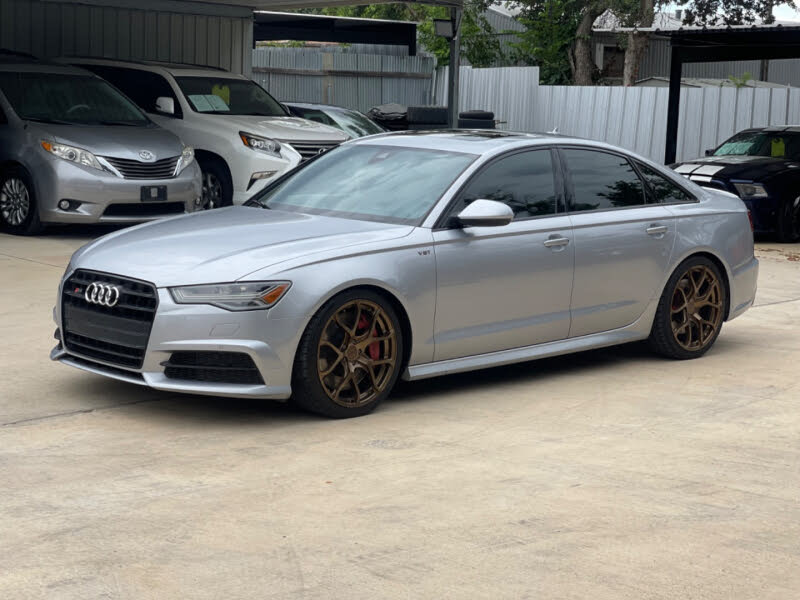
The 2017 S6 uses a 450-horsepower 4.0-liter twin-turbo V8 and quattro all-wheel drive, as shown in Audi’s 2017 US A6/S6 brochure. It is a different generation and engine from the later C8 S6, so make sure the specification matches the advertisement.
Why it belongs: the relatively restrained body lets a substantial engine sit behind an executive-sedan appearance. The understated shape does not make servicing inexpensive.
Before buying: use an Audi specialist and investigate the VIN’s recall history. NHTSA campaign 22V-178 covers a turbocharger oil-strainer issue on certain 2013–2017 S6s and other Audis. Confirm completed recall work and have existing turbo, suspension or gearbox concerns assessed separately.
6. Genesis G70 3.3T: choose the V6 deliberately
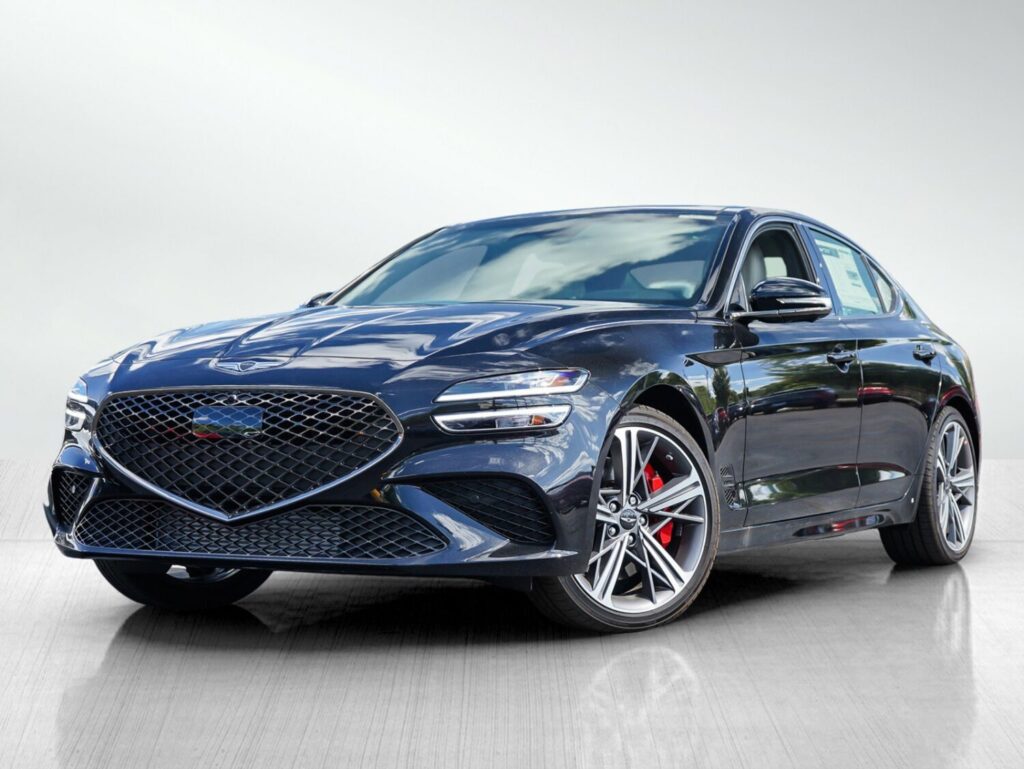
The original US G70 lineup included a 365-horsepower 3.3-liter twin-turbo V6 with an eight-speed automatic and rear- or all-wheel drive. The 2.0T is a different engine choice. See Genesis’s 2019 US launch specifications.
Why it belongs: it packages the V6 in a compact sedan rather than an overt sports-car body. The shape and some trim details still look sporting, so judge how much visual attention you want.
Before buying: test rear-seat space, identify RWD or AWD and inspect the fitted tire sizes. Confirm maintenance, recall completion and any warranty that actually transfers with the car. Avoid assuming that a previous owner’s original coverage automatically becomes yours.
7. Volvo S60 Recharge T8: check the exact hybrid version
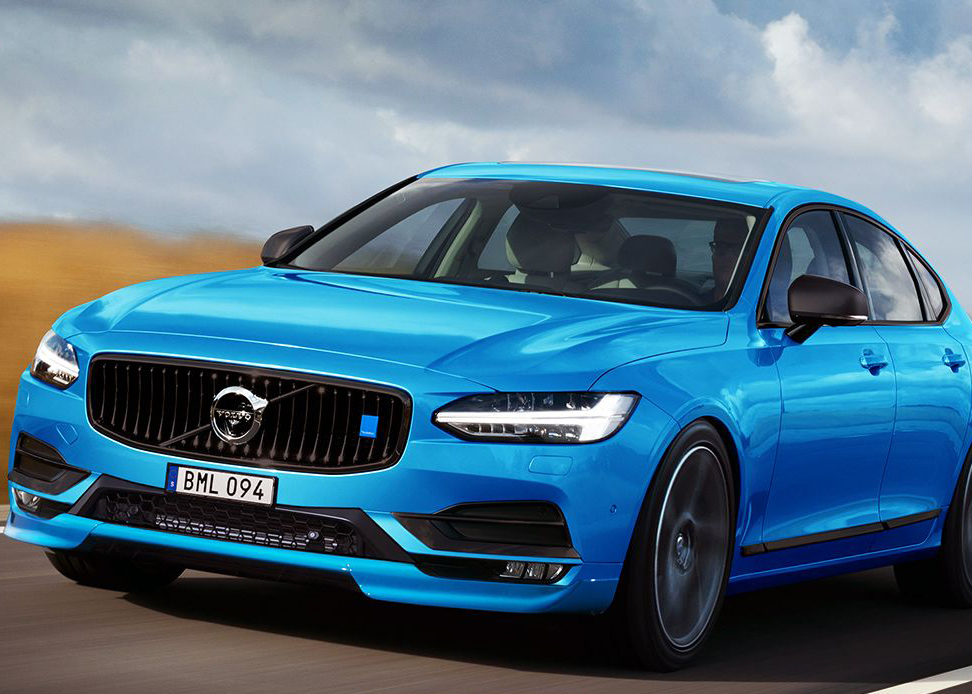
Volvo describes the 2023 US S60 Recharge as a 455-horsepower plug-in hybrid. That is a specific later version, not the output of every earlier car with a T8 badge. See Volvo’s 2023 US model information.
Why it belongs: the sedan body keeps its performance relatively discreet. A regular T8 also deserves consideration alongside the more visibly distinctive Polestar Engineered version.
Before buying: confirm model year, battery and drivetrain specification. Ask a Volvo specialist to assess both gasoline and hybrid systems, charging operation and any stored faults. Check remaining battery coverage and the equipment supplied with the car. Regular charging may suit your routine, but compare energy costs using your own circumstances.
8. Volkswagen Golf R: a hatchback with important hardware
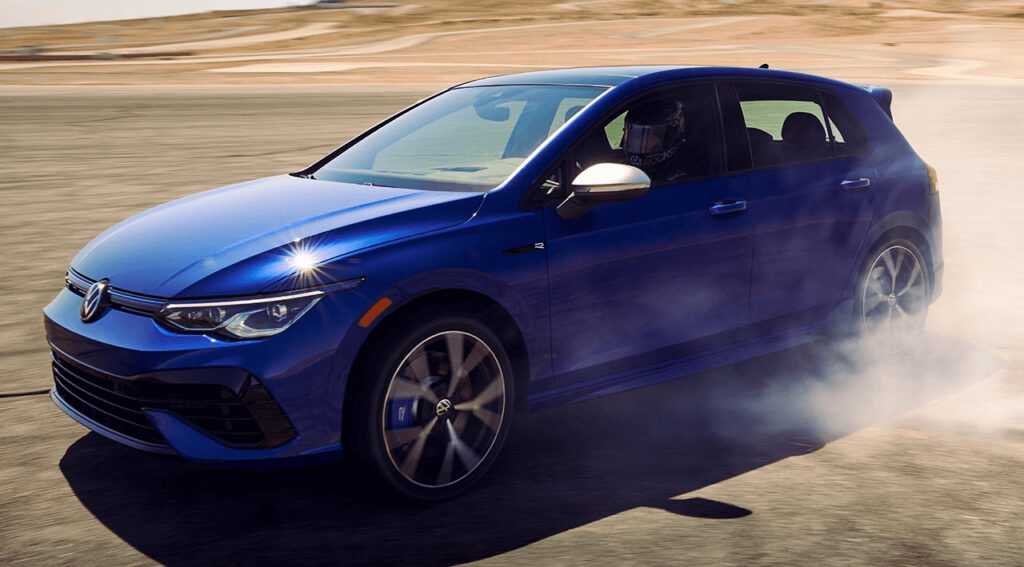
The US 2022 Golf R uses a 315-horsepower 2.0-liter turbo engine and all-wheel drive. Volkswagen offered manual and DSG gearboxes, with different torque ratings. Volkswagen’s US explanation also states that the R’s ratings use premium fuel.
Why it belongs: the hatchback shape supplies everyday utility while the drivetrain adds performance. Exhausts, wheels and R badging reduce its anonymity to an enthusiast.
Before buying: verify the generation and gearbox, check the applicable maintenance schedule and ask for supporting records. Investigate tuning and suspension changes. Spend time with the controls and infotainment during the test drive; their suitability is part of everyday ownership.
9. Mazda3 2.5 Turbo: a strong fit for the discreet brief
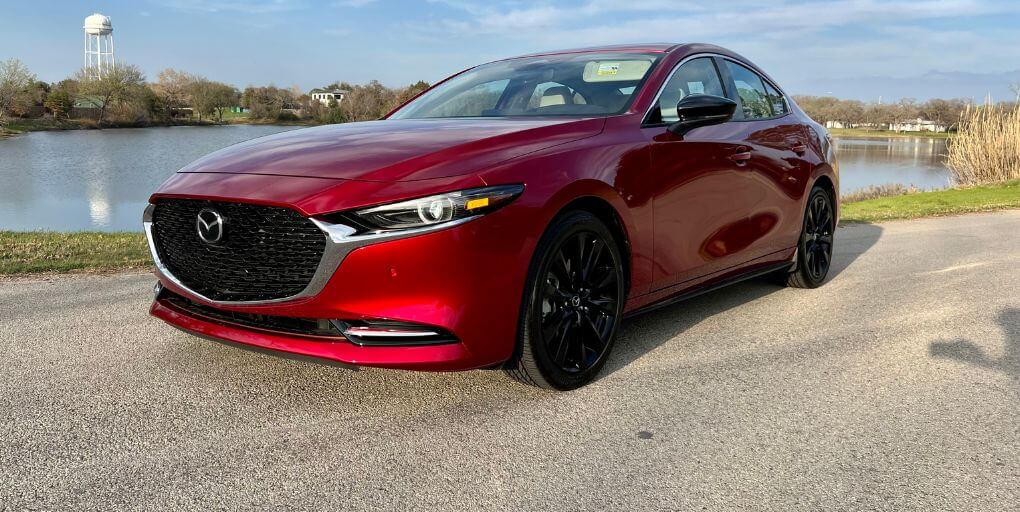
Mazda’s 2021 US turbo model combines a 2.5-liter turbocharged engine with AWD. Its fuel-dependent ratings are explicit: 250 horsepower and 320 lb-ft on 93 octane, or 227 horsepower and 310 lb-ft on 87. See Mazda’s turbo announcement.
Why it belongs: the sedan can keep a particularly ordinary appearance, while the hatchback offers a different luggage layout. This is a useful starting point if you want a compact car rather than a large performance sedan.
Before buying: confirm it is the turbo model, review servicing and check for open recalls. Test the cabin and rear-seat space. Budget using the fuel you plan to buy rather than comparing premium-fuel power with regular-fuel costs.
10. Hyundai Sonata N Line: distinguish it from other Sonatas
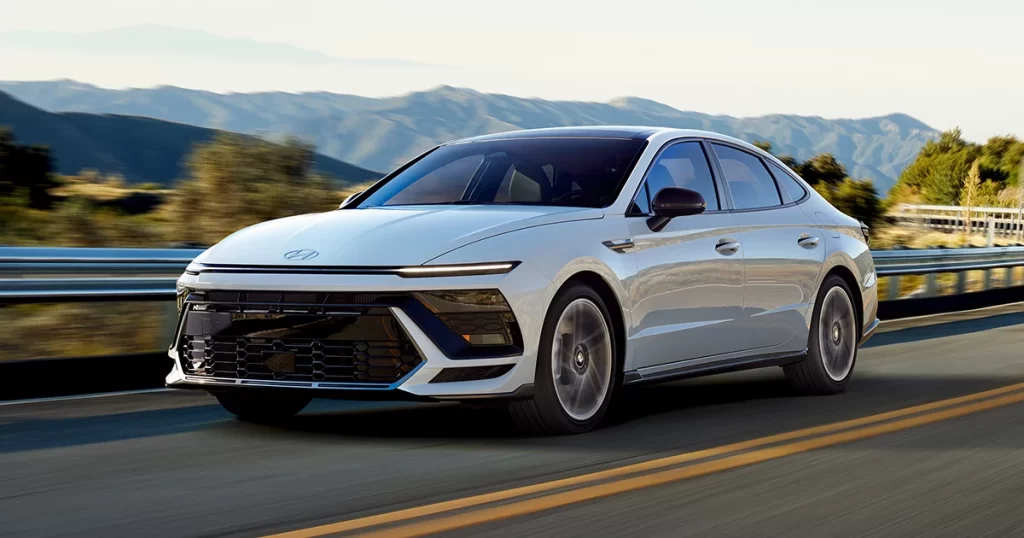
The 2021 Sonata N Line pairs a 290-horsepower 2.5-liter turbo four-cylinder with an eight-speed wet dual-clutch transmission. Hyundai documents the powertrain in its US launch announcement.
Why it belongs: its sedan shape and space provide a practical setting for the stronger engine. N Line styling still gives away some of its intent, and a newer-looking Sonata photo does not establish an older car’s equipment.
Before buying: verify the trim and inspect gearbox behavior at low speeds and after warming up. Check the VIN for recalls and review service records. Ask the manufacturer or dealer to confirm the coverage available to you as the next owner.
How to shop for a sleeper you can afford to own
Confirm the specification first. Small differences in engine, drivetrain, generation or fuel rating can change what the car delivers. Match the VIN and build information to the advertisement.
Price the complete purchase. Compare asking prices for the same version, mileage and condition, then add tires, brakes, overdue servicing and any repair quotes. A depreciated luxury car still needs the parts and work required by its original design.
Check modifications and records. A quiet exhaust and ordinary wheels do not establish a car’s history. Ask about tuning, accident repairs and removed aftermarket parts, and use an independent inspection.
Quote insurance using the actual VIN. A discreet body does not guarantee a low premium. For every candidate, check NHTSA recall information and confirm campaign completion with the manufacturer.
If your budget is lower, start with our fun used cars for a $10,000 budget. A less powerful car that fits your life and leaves a repair reserve can provide a more enjoyable ownership experience.
Common questions
What makes a car a sleeper?
It combines performance with an appearance that gives little indication of it. The description is subjective: a Camry TRD can surprise someone unfamiliar with the trim while looking obviously sporting to an enthusiast.
Which modern sleeper should you consider first?
Start with the Mazda3 Turbo for a compact daily role, the MKZ 3.0T AWD for a discreet sedan or the Chevrolet SS for a rear-drive V8. Verify the actual car’s specification, condition and costs before settling on a recommendation.
Are sleeper cars cheaper to insure?
Appearance cannot establish that. Get quotes for the exact VIN and your circumstances before buying.
Sources and scope
Research checked October 7, 2026 against the linked manufacturer material and NHTSA recall document. Some manufacturer brochures are hosted by a brochure distributor. This is researched buying guidance, not a first-hand road test or a current price survey. Photographs illustrate the models or body styles described; the captions identify where a pictured version differs.






Sources:
- Sherman, E. (2022, April 11). Sleeper Car Seniors That Can Still Put Modern Sports Cars to Bed. Sleeper Car Seniors That Can Still Put Modern Sports Cars to Bed. https://www.motorbiscuit.com/sleeper-car-seniors-that-can-still-put-modern-sports-cars-to-bed/
- Mehta, S. (2023, April 11). According to you: What’s the best “sleeper” car of all time? - Hagerty Media. Hagerty Media. https://www.hagerty.com/media/hagerty-community/according-to-you-whats-the-best-sleeper-car-of-all-time/
- The Best Sleeper Cars on the Market Today. (2020, April 1). The Best Sleeper Cars on the Market Today. https://www.topspeed.com/cars/guides/the-best-sleeper-cars-on-the-market-today/